
Dental Implants – Alpharetta, GA
Reliable Replacement Teeth That Can Last a Lifetime
Our dentists at Alpharetta Modern Dentistry have years of experience and countless hours of continuing education and specialized training underneath their belts. As a result, they’re able to complete the entire process, from start to finish, under one roof. That way, you’ll be able to rely on the same trusted team throughout your entire journey. Call our office today to schedule a consultation and learn whether dental implants in Alpharetta are right for you.
Why Choose Alpharetta Modern Dentistry for Dental Implants?
- Accurate Guided Dental Implant Surgery
- Start-to-Finish Dental Implant Treatment
- See Results First with Virtual Smile Design
What Are Dental Implants?
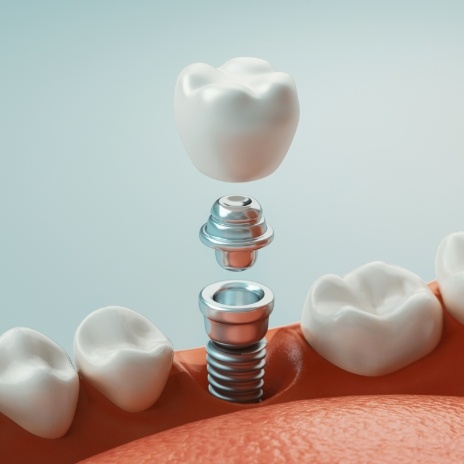
Dental implants themselves are small posts that are made of titanium. They can be surgically placed below the gumline and into the jawbone to restore the missing root structure of teeth, offering restorations like bridges, crowns, and dentures superior support and strength. Due to their biocompatible nature, they’re able to naturally fuse with the jawbone, keeping it from eroding due to a lack of stimulation.
The 4-Step Dental Implant Process
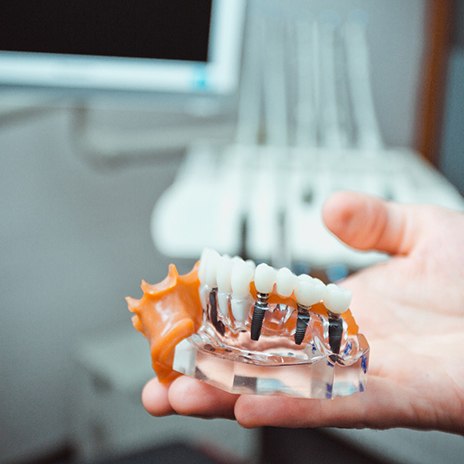
The process of getting dental implants in Alpharetta can be broken down into four main steps: the initial consultation, dental implant surgery, healing and osseointegration, and the placement of the final restoration. At your consultation, our team at Alpharetta Modern Dentistry will break down the entire process for you, ensuring that you understand the timeline. We’ll also make sure that any questions you may have get answered, allowing you to comfortably and confidently consent to moving forward with our recommended treatment plan.
The Consultation

To help determine whether you’re a good candidate for dental implants, our team will capture digital X-rays and complete a thorough evaluation of your teeth and gums. Based on our findings, we’ll walk you through your customized treatment plan and provide you with an estimated cost to restore your smile. In some cases, preliminary treatments may be required before a patient is eligible for dental implants, like a tooth extraction or gum disease treatment.
Dental Implant Placement
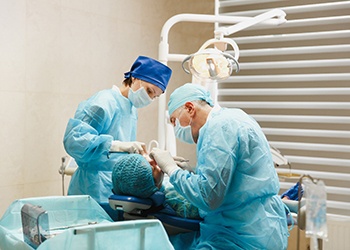
Once you decide to move forward with the procedure, our team will schedule your surgery. We utilize surgical guides to place implants in-office, ensuring that they’re placed at the perfect depths and locations within the mouth for the best support. With her additional experience at her general practice residency at Woodhull Hospital, where she received endodontic and surgical training, Dr. V offers a detailed and experienced hand throughout this part of the process.
Healing & Osseointegration

After your surgery, you’ll undergo a process called osseointegration for the following three to six months, which is when your implants will fuse with your jawbone. This is a crucial step of the entire treatment, as it provides an unwavering and healthy foundation for your bridge, crown, or denture to be attached to. Once this has occurred, we’ll place small metal connector pieces atop your implants, called abutments.
Attaching the Final Restorations

Each of our dental restorations are custom-crafted to look virtually indistinguishable from your natural teeth. Our laboratory that we work with will create the replacement teeth specifically for you, ensuring that they function properly and fit ideally within the mouth. As soon as we receive the permanent restoration from them, we’ll call you back into the office to attach them to your abutments and show you how to take care of your new smile.
Benefits of Dental Implants

Dental implants are an incredibly popular treatment because they have a wide array of benefits to offer compared to their traditional counterparts. For instance, being grounded in the jawbone, implants do not negatively impact any natural teeth you have in your mouth. In fact, they help reinforce the jawbone’s strength, which is beneficial in multiple ways. And this is just one example! During your consultation, we can talk about the myriad of ways implants can change your life for the better.
Day-to-Day Benefits

Instead of worrying about your prosthetic teeth slipping, you can rest assured that your implant-retained restorations will not budge. These replacement teeth look and feel lifelike, giving you more confidence as you smile, eat, and talk around others.
In addition to providing a boost to your self-esteem, dental implants are remarkably easy to maintain every day. Like natural teeth, implants need to be brushed and flossed daily to keep plaque buildup from forming. Regular checkups at our office are also essential because we will watch your mouth closely and take care of any issues that come up—before they harm your perfect smile.
Health Benefits

Did you know that dental implants restore bite power up to 80%? This means that basically no foods are off limits, including crisp apples, steak, and crunchy carrots. In fact, you have the capability to eat a varied diet, which can help you avoid or better manage many health problems, leading to a higher quality of life overall.
When it comes to your mouth, dental implants are by far the most ideal option for the long term. Without tooth roots, the jawbone deteriorates over time, but implant posts keep the jawbone stimulated and strong, which gives you that bite strength as well as a more youthful facial shape.
Long-Term Benefits

When you have traditional dentures, regular adjustments and replacement occur frequently. In fact, they usually need to be replaced about every 5 to 7 years. Bridges typically last between 7 and 10 years before needing a new one. Unlike unanchored dentures or bridges, dental implants can have a lifespan of 35+ years with good dental hygiene!
With this prolonged lifespan, you need to take another look at the total amount you pay. If you add up the cost of these new restorations, it may rival or surpass that of dental implants. In other words, implants may be the wiser investment because you don’t have to pay to continually replace them.
Who Dental Implants Can Help

Dental implants can help patients who are missing one tooth, several teeth in a row, or an entire arch. So, if you are struggling with tooth loss, schedule a consultation with us! From there, our team will help determine what types of implant restorations can rebuild your smile to its original, natural function and look. Want to learn more? Simply read on or get in touch with our Alpharetta dental team.
Who Is a Good Candidate for Dental Implants?

Before we can determine if you’re a good candidate for dental implants in Alpharetta, we need to review your medical and dental history as well as learn about your lifestyle and smile goals. That said, there are some qualities we look for across the board, including:
- A jawbone that’s strong enough to support dental implants
- Good overall health
- A willingness to break bad habits, like smoking
- Healthy gums
- A commitment to healthy habits, including flossing consistently
If this sounds like you, then there’s a good chance that we can restore your smile with this state-of-the-art solution!
Missing One Tooth
Previously, replacing a single missing tooth required the surrounding teeth to be altered. With dental implants, that’s not necessary! With this restorative solution, we can place one dental implant below the gumline and into the jawbone. This will act as the root support for a free-standing dental crown, which can fill the gap left by one tooth. Since the crown is custom-made with your face shape, dental needs, and smile goals in mind, you can rest easy knowing it will look and feel extremely natural.
Missing Multiple Teeth
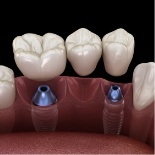
Instead of needing to secure a traditional dental bridge to your existing, healthy teeth, we can now attach it to two dental implants. One will be placed on each side of the gap, anchoring the prosthetic tooth or teeth securely in place in the process. Not only will this restore the strength of your bite that you lost, but it will minimize any unnecessary alteration of your healthy teeth and increase the lifespan of your restoration.
Missing All Teeth
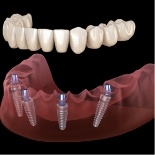
Traditionally, dentures are held in place by natural suction or a special adhesive. Unfortunately, these aren’t always reliable, as chewing food or speaking may cause them to shift or slip. That’s where dental implants come in. By securing the restoration to four to eight dental implants located in the strongest parts of the jawbone, these inconveniences can be eliminated. One of the best parts is the longevity; with proper care and maintenance, implant dentures can last for well over a decade!
Understanding the Cost of Dental Implants

Dental implants are the best tooth replacement option out there. They replace the roots of the missing teeth, allowing for a wide range of benefits that you can’t achieve with dentures or dental bridges. To achieve this, getting dental implants requires a unique multi-step process that takes place over the course of several months. Since everyone’s treatment is customized, the cost can vary. During your consultation, we will go over the estimated cost of your treatment. Until then, here are some things to take into account.
Preliminary Treatments & Dental Implant Surgery
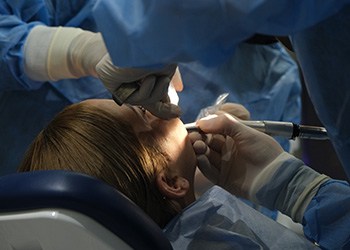
In some cases, patients need to undergo preliminary procedures before they can qualify for dental implants. This could include services like gum disease treatment, tooth extractions, bone grafting, and sinus lifting. It is important to consider the cost of these procedures if they apply to you. The good news is that the cost of preliminary procedures is often partially covered by dental insurance providers.
The Parts of Your Dental Implant
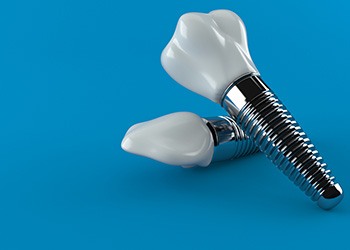
There are many factors that contribute to the cost of dental implants. Here are some of the most notable ones.
- Number of Dental Implants: The number of teeth that you are missing and where they are located determines the number of dental implants that you need. The more implants, the higher the cost.
- Restoration: Dental crowns, bridges, and dentures are all at different price points. Generally speaking, the larger the restoration, the higher the cost.
- Materials: In most cases, dental implants are made from surgical titanium. However, they can also be made from zirconia.
- Brand: Just like other procedures, dental implants from a variety of manufacturers. This influences the cost.
How Dental Implants Can Save You Money

It can be tempting to save money by choosing a more affordable tooth replacement option, like dentures. Dentures are great for some people, but they don’t offer the same lifelong benefits that dental implants do. Dental implants can help you save money in the long run. This is because you will no longer need frequent repairs and replacements. You don’t need to stock up on adhesives or soaking solutions either. Dental implants help to prevent future dental issues, so you can avoid some costly restorative treatments in the future.
Does My Dental Insurance Cover Dental Implants

In most cases, the dental implants themselves are not covered by dental insurance. However, parts of the preliminary procedures and final restoration might be. At Alpharetta Modern Dentistry, we are proud to be in-network with many popular dental insurance plans, including Delta Dental, MetLife, Aetna, Cigna, Blue Cross Blue Shield of Georgia, United Healthcare, and many more!
Making Dental Implants Affordable

If you don’t have dental insurance, this doesn’t mean that you are completely out of luck. We are happy to accept payments through CareCredit – a third-party financing company that can split the cost of your treatment into manageable monthly installments with little to no interest. If you have any questions or need help applying, give us a call!
Dental Implant Post-Op Instructions
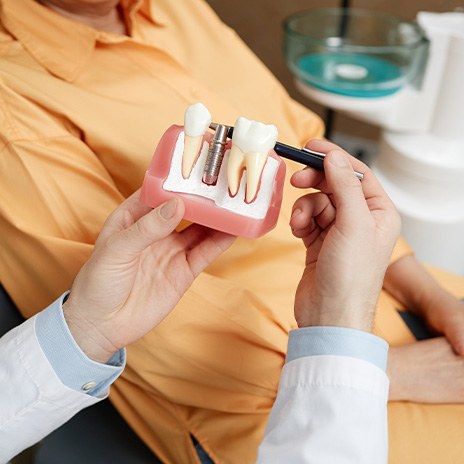
Following your dental implant surgery, you will need to take excellent care of your smile in order to prevent complications and ensure things heal up as planned. To give you an idea of what you can expect as your mouth recovers and your implants begin fusing with your jaw, we’ve provided several useful guidelines below—but please feel free to contact our Alpharetta office if you have any questions!
What to Do Directly After Dental Implant Surgery
After your dental implants have been placed, one of your top priorities during recovery is protecting the blood clots that form over the surgical sites. These naturally form and help your body heal, so you shouldn’t poke or disturb them at all. To protect your surgical sites, don’t smoke or use tobacco, eat hot or spicy foods, or drink through a straw, since the suction can dislodge your blood clots and cause a painful condition called dry socket.
Common Side Effects When Recovering from Dental Implant Placement

If you’ve never undergone oral surgery before, it can be tough to tell the difference between normal post-op symptoms and concerning ones. However, rest assured, it’s perfectly normal to feel some mild discomfort or soreness for the first few days. You might also experience:
- Minor discomfort and swelling, which may last for a few days. It can usually be assisted with over-the-counter pain relievers and cold compresses.
- Intermittent bleeding, which can be managed with gentle pressure applied with gauze pads.
If things seem to persist or worsen, do not hesitate to give our office a call, as it may be a sign of a complication.
Your Diet After Dental Implant Surgery

Sticking to soft foods and liquids only for the first few days following your implant placement is important for helping your mouth heal. You should avoid anything particularly hot, spicy, or crunchy and tough to eat. Your meals should include things like:
- Mashed potatoes, scrambled eggs, and boiled rice and pasta
- Applesauce and other pureed fruits
- Yogurt, Jell-O, and pudding
- Cold soups and broth
- Ice cream, protein shakes, and smoothies
Post-Op Health & Oral Hygiene
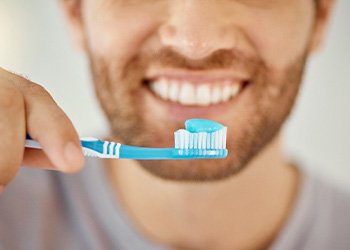
You need to keep your mouth clean following dental implant placement in order to prevent infections as your implant posts begin fusing with your jawbone. Fortunately, dental implant care is fairly straightforward following your surgery. Keep these tips in mind:
- Be extra careful when brushing around your dental implant site(s).
- Rinse with salt water two or three times a day, especially after your meals, to keep things sanitary.
- When you’re brushing or rinsing, do not spit out the water from your mouth. Instead, let it pour into the sink so you don’t disturb your implant sites.
- Avoid using any mouthwashes that contain alcohol, since this can cause irritation.
What to Do After Your New Teeth Are Attached

Your custom-made dental restorations are placed on top of your dental implant posts once they’ve healed, and they will look and feel just like your natural teeth. This also means that they shouldn’t hurt at all, and while you may feel a little sensitivity in your gums, if you notice bleeding or swelling, don’t hesitate to let us know at once so we can correct it. From there, you’ll be all set to enjoy a complete and functional smile once more!
Maintaining & Caring for Your Dental Implants

While dental implants are very durable, their longevity largely depends on the care you give them on a daily basis. A well-maintained dental implant can often last for decades or even the rest of your life. Do you want to get as many years of use out of your dental implants as possible? If so, it’s recommended that you carefully follow these simple tips from your implant dentist in Alpharetta for protecting your newly rebuilt smile.
Make Oral Hygiene a Priority
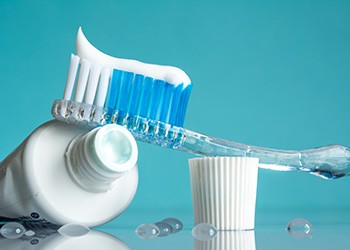
If harmful oral bacteria build up around your implant posts, they could cause a gum infection that might result in implant failure. As such, if you want your dental implants to last, you need to keep the area around them as clean as possible. Be sure to brush at least twice a day with a soft-bristled toothbrush, and don’t forget to floss daily. It may also be a good idea to incorporate rinsing with mouthwash into your oral hygiene routine.
Eat a Healthy Diet

Consuming too many sugary or starchy foods can easily lead to oral health issues that put your dental implants at risk. That said, there’s no need to give up sugar and starch altogether; you simply need to make sure that you aren’t indulging in them too often. In the meantime, you should make a point of eating more foods that can promote a healthy environment for your dental implants, such as fruits, vegetables, and a variety of dairy products.
Break Bad Habits

You should identify any bad oral habits that could potentially damage your dental implants. For example, biting your fingernails or chewing on ice could put excessive pressure on your implant posts and ultimately cause them to break. The sooner you drop these kinds of habits, the easier it will be to keep your dental implants safe.
Protect Your Dental Implants
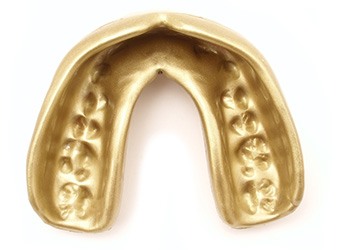
Bruxism can sometimes cause you to grind and clench your teeth at night, which can cause serious problems for your dental implants if the issue goes unaddressed for too long. Fortunately, it’s possible to mitigate the effects of bruxism by wearing a personalized nightguard, thus keeping your implant posts safe while you slumber.
Also, if you play sports, you should always wear an athletic mouthguard regardless of whether you’re told that you need one. That way, your dental implants will always have some level of protection if you ever get hit in the mouth.
Schedule Regular Dental Checkups

You might think you’ll be able to tell when there’s a problem with your dental implants, but some issues can easily go overlooked while they’re still in their earliest stages. As such, it’s important to visit our dental office regularly so that we can examine your dental implants along with the rest of your smile. If we find anything that you need to be concerned about, we can take steps to address it before it puts your implant posts at risk.
Dental Implant Technology
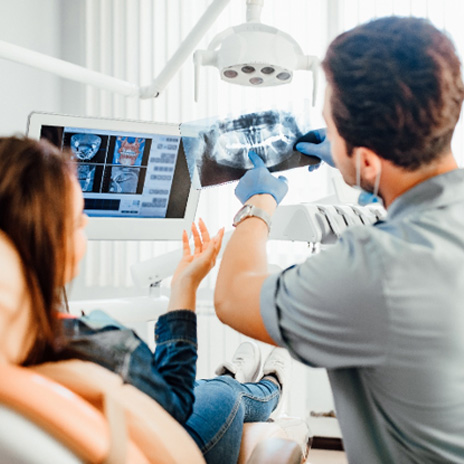
In addition to our experts’ years of experience, their commitment to utilizing the most modern, advanced technology in the dental implant process is what takes our results to the next level. Our cone beam CT scanner and digital impression system make your experience more comfortable as well as more exact, leading to successful results that you love.
CBCT Scanner
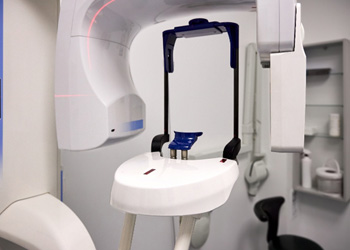
Our cone beam CT scanner, or CBCT for short, is an advanced imaging technology that allows our implant dentists in Alpharetta to plan each treatment as precisely as possible. The process takes about 30 seconds to complete, and it’s comfortable and non-invasive. All you’ll need to do is rest your chin on a pedestal and bite down on a sensor as the imaging device rotates around your head. Within seconds, the scanner will capture hundreds of images that it will be able to use to design a 3D, detailed blueprint of your facial anatomy.
Using the data produced by the CBCT scanner, your dentist will be able to view the location of your facial nerves, sinuses, and jawbone density to help determine your candidacy as well as plan a successful implant placement surgery.
Digital Impression System
After your dental implants and abutments have been secured within your mouth, our team will need to capture a digital impression of your gumline to send off to our dental laboratory. They will use it to craft your permanent prosthetic, ensuring it looks and feels completely natural.
We do this by waving a sleek wand around your mouth. As the camera details the contours of your gums and dental implants, it will show up on a chairside monitor, allowing our team to ensure the quality of the impression. This tends to be much more comfortable for our patients as opposed to traditional putty, as it doesn’t take as long, induce gagging, or require you to hold your mouth open as widely.
Dental Implant FAQs
How Long Do Dental Implants Last?
Dental implants can last for more than thirty years, which is several times longer than the lifespans of traditional dentures or bridges. The deciding factors in how long they can last are the patient’s habits and lifestyle, with proper oral hygiene being the key determinant. To make sure that your implants can serve you for as long as possible, take care to brush, floss, and use antibacterial mouthwash every day while attending dental checkups and cleanings at least twice a year. It’s also a great idea to avoid using your teeth as tools for tasks like opening packages.
Does Getting Dental Implants Hurt?
The jawbone does not have many nerve endings to register pain, and local anesthetics make dental implant surgery completely painless. However, you can expect some discomfort in your mouth for a few days after the procedure. Take prescribed or over-the-counter pain relievers as directed by our dentist to manage any soreness. You might also want to try holding a cold compress against your cheek on the implant’s side to reduce discomfort and swelling. If you find that the soreness is lingering or getting worse after two or three days, contact our office.
What Can Cause Dental Implants to Fail?
Dental implants boast an impressive success rate of over 95%. However, when they fail, it is usually because of peri-implantitis or failed osseointegration. Peri-implantitis is a gum disease that can damage the gums and bone structure supporting the implant, and it typically develops due to poor oral hygiene. Failed osseointegration is when the implant does not fuse properly with the jawbone, and this is usually caused by the patient having a low bone density in their jaw to begin with.
Dental implants can also fail due to teeth grinding, tobacco use, certain medications, the patient’s head or neck being exposed to radiation, poor oral hygiene, and health conditions like diabetes, cancer, osteoporosis, autoimmune disorders, and others. We will provide you with guidelines to minimize the risk of your implants failing.
Am I Too Young to Get Dental Implants?
Most people’s jawbones are not completely developed until young adulthood, and placing dental implants before then can interfere with the jaw’s natural course of development and possibly result in complications. For these reasons, most offices will wait until the patient is at least eighteen to ensure that the dental implants can be placed successfully. However, everyone develops at different rates. Typically, the jaws of men take longer to develop than the jaws of women, and some people may not have fully developed jaws until their mid-twenties.
Are Dental Implants Safe?
Most patients who have good oral health have successful experiences with dental implants. If you have low jawbone density or gum disease, they can usually be addressed with preliminary procedures, including bone grafting and gum disease treatment. If you have diabetes, cancer, or another medical condition that could make surgery or healing from surgery risky, we will discuss this with you during your consultation so we can make the safest decision to meet your needs.
Can I Get Dental Implants If I Have Diabetes?
If your diabetes is under control, your odds of dental implant success are generally comparable to those who are nondiabetic. Uncontrolled diabetes and chronic high blood sugar can slow down the healing process, making it more difficult for your dental implants to integrate with the jawbone. If you are interested in getting dental implants, talk to your endocrinologist or primary care doctor about getting your blood sugar levels under control beforehand.
Can I Take My Dental Implant Out?
No, you cannot remove a dental implant because it replicates both the root of the tooth and the dental crown. A titanium post is surgically placed in the jawbone to mimic the root of the tooth. Your bone will fuse to the implant through a process called “osseointegration,” allow it to stay anchored in place forever with the right care. A dental crown, bridge, or denture is then attached to your dental implant(s) to mimic the visible portion of the tooth. Some types of implant dentures can be removed for easy cleaning, but you cannot remove the dental implant itself.
Is There Anything I Shouldn’t Eat with Dental Implants?
For the first few weeks following your surgery, you should avoid foods that are difficult to chew. You should also stay away from alcoholic, sugary, or acidic beverages as the area heals. Don’t use a straw either as thing can dislodge the blood clot protecting the dental implant site. After the healing process is complete, and you’ve received your replacement teeth, you can pretty much enjoy anything you want. Just be careful when eating foods that are particularly hard or sticky.